

You’ll uncover the fascinating history of Farley Boat Works, beginning in 1910 when the Farley brothers arrived on the Texas coast.
Barney and Fred Farley launched their iconic boat line in Port Aransas, designing custom tarpon boats that became vital for local sportfishing. Known for innovation, they shifted from cypress to mahogany and adapted automotive engines, making the boats famously durable.
Immerse yourself in the rich maritime heritage they established, and investigate its continued influence today.
Arrival of the Farley Family in Port Aransas
In 1910, the Farley brothers, Barney and Fred, made their way to the Texas coast, marking the beginning of their influential presence in the region.
Barney chose Port Aransas, driven by his passion for tarpon fishing. He envisioned a future as a tarpon guide, realizing the need for specialized boats.
Meanwhile, Fred initially settled in Rockport but soon saw the growing demand for fishing boats in Port Aransas, relocating there with his family in 1914.
Their foresight led to the creation of the Farley boat line, designed to meet the needs of local anglers. By 1915, the inaugural Farley boat, tailor-made for tarpon fishing, was launched. This marked the start of a legacy in boatbuilding that would forever impact Port Aransas.
Early Designs of Farley Tarpon Boats
As the Farley brothers established themselves in Port Aransas, their groundbreaking spirit sparked the creation of the initial tarpon boats in 1915.
Fred Farley, inspired by the Gulf Coast scow schooner, designed these Farley boats to revolutionize tarpon fishing. When tarpon fishing began, these boats were crafted with an open cockpit, ensuring fishermen had unobstructed access to their catch.
They ranged from 16 to 28 feet, featuring low sides and high bows for easy landing of tarpon. The boat building process was unique, with no official plans; designs were sketched directly onto the shop floor, and half-models were carved by the Farley family.
This bespoke approach allowed for customizations that catered to every angler’s need.
The Creation of the 1928 Speedboat
Farley Boat Works made a significant leap in 1928 by building a speedboat for Gail Borden Munsill, a key figure in the Borden dairy empire. This speedboat wasn’t just a marvel for Munsill; it showcased impressive engineering capabilities by reaching speeds up to 60 miles per hour.
You can imagine how this creation must’ve stirred excitement in the local fishing community of Port Aransas, highlighting Farley Boat Works’ versatility beyond just traditional fishing vessels. Munsill used the speedboat for fishing and waterfowl hunting, proving its practical application in the waters around Port Aransas.
This venture didn’t just serve Munsill’s interests; it established Farley Boat Works as a significant player on the Texas coast, cementing their place in the boat-building industry.
Innovations and Adaptations in Farley Boat Design

Although Farley Boat Works initially gained fame for its tarpon fishing boats, they didn’t rest on their laurels and continuously pushed the envelope in boat design. Farley boats were known for their groundbreaking features, essential for successful tarpon fishing.
You’d appreciate their open cockpit design with stern-facing fighting chairs, perfect for two fishermen. To improve comfort, they added windscreens to tackle sea spray complaints. In boatbuilding, they initially used 58-inch-thick cypress planks before switching to mahogany post-World War II.
The introduction of a V-bottom hull offered better stability, while low sides and high chines improved tarpon landing and performance. A standout advancement was their use of converted automobile engines, such as Chrysler flat heads, showcasing adaptability in propulsion technology.
Evolution of Farley Boat Works Locations
Despite its humble beginnings, the evolution of Farley Boat Works locations tells a story of resilience and adaptation. Established waterfront in Port Aransas in 1915, Farley Boat Works quickly became a cornerstone of the community.
After the devastating 1919 hurricane, they moved inland, using shellcrete siding to fortify the new location. As they evolved, the third site on White Avenue offered glimpses into the boat building process through diverse operational images.
The final wooden boat building site at 716 West Avenue C continued until operations ceased in 1973. Thankfully, the revival in 2011 saw Farley Boat Works reopen, preserving its historical significance.
Now, you can even join boatbuilding classes at the last standing structure from the original works.
Historical Significance of Farley Boats
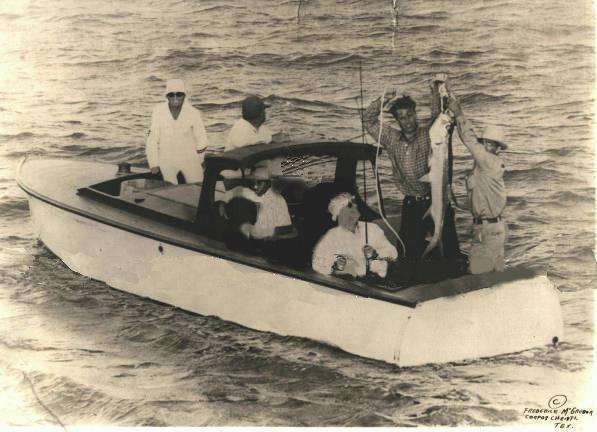
In the domain of sportfishing, the historical significance of Farley boats can’t be overstated. Designed for the thriving tarpon fishing industry in Port Aransas during the early 20th century, these boats were pioneers on the Gulf Coast.
Their craftsmanship gained national acclaim, catching the eye of notable figures like President Franklin D. Roosevelt. Farley boats featured open cockpits and stern-facing fighting chairs, making tarpon fishing easier and more enjoyable.
Built to tackle the Gulf’s choppy waters, they boasted low sides for simple tarpon landing and a sea-friendly V-bottom design. Despite the rise of fiberglass boats, the historical significance of Farley boats endures, cherished by historians and boat builders for their unmatched quality and durability.
Community Involvement and Educational Programs
When you step into Farley Boat Works, you’ll find a lively hub of community engagement and learning that brings maritime traditions to life. Here, educational programs, like boatbuilding classes led by expert Doyle Marek and supported by passionate volunteers, teach you traditional woodworking skills.
Since 2011, over 130 wooden boats have been crafted, involving people of all generations in preserving this unique maritime heritage. Farley Boat Works provides the space, tools, and materials you need, fostering a hands-on learning experience.
The community comes together for events like the annual Wooden Boat Festival, celebrating local craftsmanship with boatbuilding competitions. These efforts not only improve your skills but also deepen your connection to the rich maritime history of Port Aransas.
The Port Aransas Maritime Museum Development
As you investigate the lively history of Farley Boat Works, the development of the Port Aransas Maritime Museum stands as an essential chapter in preserving maritime heritage. This 6,000-square-foot facility, located adjacent to the original Farley Boat Works on W. Avenue C, reflects a deep commitment to maintaining local boatbuilding history.
Construction began with a FEMA grant post-Hurricane Harvey, focusing initially on the foundation and exterior. Scheduled to open in summer 2022, the Port Aransas Museum will feature educational programs on traditional boat building and showcase significant artifacts like the Tina and Starfish boats.
The museum’s concept was spearheaded by Rick Pratt in 2011, aiming to engage the community in maritime craftsmanship and history.
Legacy and Continued Impact on Maritime Culture
Although the world constantly evolves, the legacy of Farley Boat Works remains a steadfast guiding light in maritime culture. Since 1915, it has shaped the fishing culture by crafting the initial sportfishing vessels on the Gulf Coast.
This legacy lives on today through educational programs where you can learn traditional boatbuilding skills. Farley Boat Works has produced over 130 wooden boats since 2011, keeping maritime heritage alive.
The Port Aransas Wooden Boat Festival celebrates this legacy, engaging you in boatbuilding competitions and maritime heritage celebrations. Farley’s influence extends to the Port Aransas Maritime Museum, which aims to showcase its rich history.
These initiatives have revitalized interest in wooden boats and fostered a deep connection to maritime traditions.
